
🛶 Venice’s Real Taste: The Only 7 Restaurants You Need for an Authentic 4-Day Trip
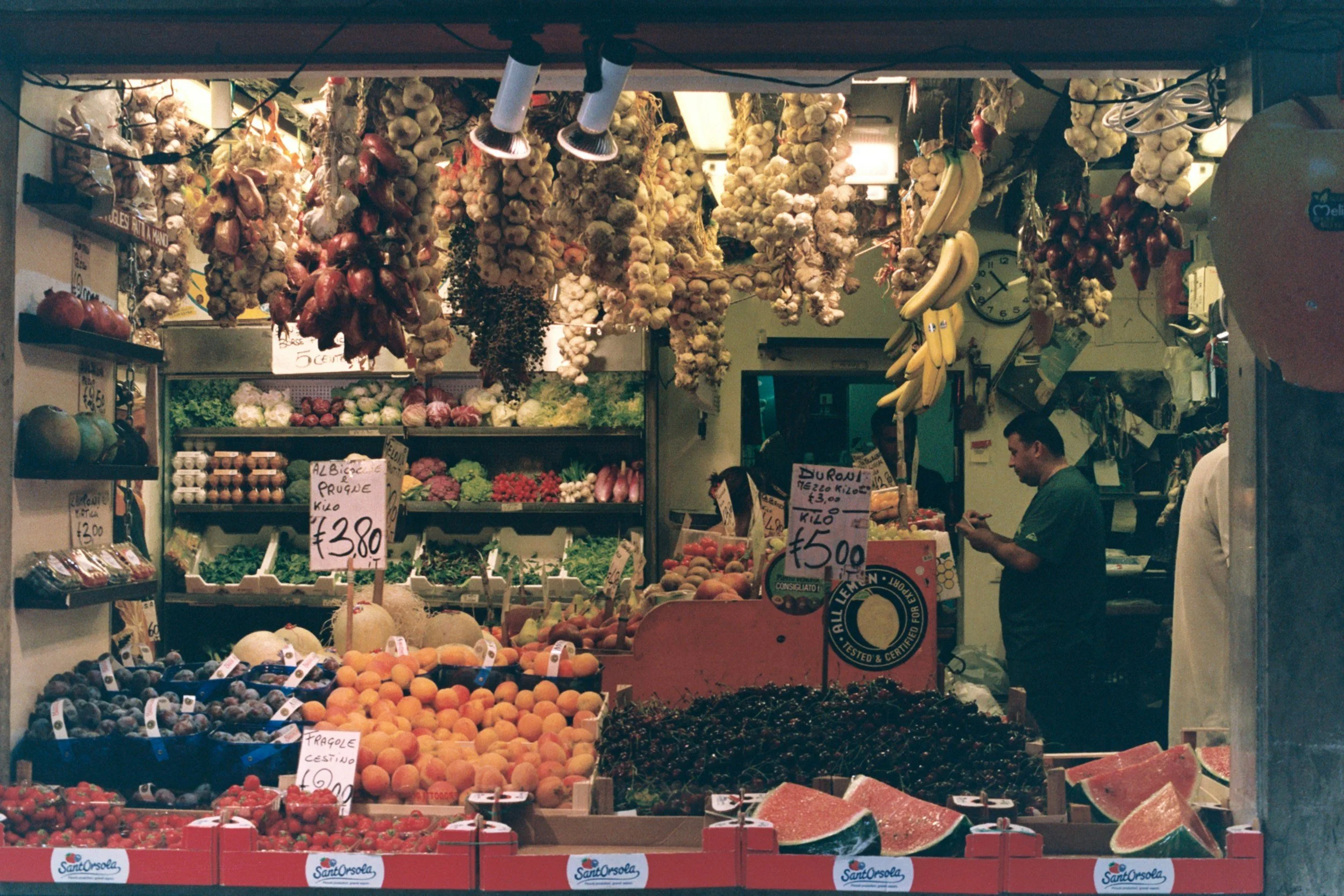
Hey fellow travelers! Let’s talk about eating in Venice.
I've walked those winding, narrow calli, felt the relief of stumbling onto a quiet, sun-drenched campo, and yes—I’ve also accidentally sat down at a few of those tourist traps right off Rialto. Getting great food in Venice is a puzzle, but once you crack the code, the experience is pure magic.
When you’re visiting for 3 or 4 days, every single meal counts. You don't want to waste time or money on subpar food. That's why I’ve compiled my verified list of places where the seafood is fresh, the polpette (meatballs) are legendary, and the only language you hear is Italian (well, mostly!).
This is your authentic food itinerary, organized by the districts you'll be exploring. Ready to book your tables? You're going to want to after this.
🚫 First, The Golden Rule: Spotting the Tourist Trap
Before we dive in, let me give you the survival tips I give all my friends visiting from the US and Canada. You spot a tourist trap the minute you see a laminated menu with pictures of the food and flags from three different countries. Hard pass.
The other major red flags to avoid:
The Hustle: Anyone standing outside trying to wave you in? Run. Authentic Venetian spots are small, often hidden, and they don't need to beg for business.
The Clock: If a restaurant is serving full dinner before 7:30 PM, they are catering purely to tourists. Locals eat late—aim for 8:00 PM or 8:30 PM reservations.
The Location Tax: The closer you are to Piazza San Marco, the less authentic and more expensive the food is likely to be. Venture just five minutes down a side alley—that's where the good stuff is hiding.
Day 1 & 2: Cannaregio & San Polo (The Local’s Heart)
These are the neighborhoods where local life—and local eating—thrives. You’ll find working canals, great markets, and some of the city's most beloved eateries.
1. Ca' D'Oro alla Vedova (Cannaregio: The Buzzing Bacaro)
If you want the true pulse of Venetian food culture, start here. Alla Vedova is a buzzing, standing-room-only bar up front that transitions into an intimate trattoria in the back. It’s chaotic, loud, and utterly perfect.
The Vibe: Lively, historic, and wonderfully crowded.
Must Order: Their famous, legendary Polpette (fried meatballs). They are the single best €2 snack in the city. You grab one (or three), get an ombra (a small glass of local wine), and stand at the counter to eat them.
Tip: If you want a full meal, you still need a reservation for the back dining room, but popping in for a stand-up snack is highly encouraged!
2. Antiche Carampane (San Polo: The Seafood Shrine)
This is where you go for your splurge seafood dinner on your second night. It’s hidden deep within San Polo, where no casual tourist stumbles. They even have a sign proudly stating: “No Pizza, No Lasagna.” That’s how you know it’s legit.
The Vibe: Rustic, cozy, and intensely dedicated to quality.
Must Order: The Granseola (spider crab) or the Spaghetti alle Vongole (clams). They source directly from the nearby Rialto Market.
Verified Review: "This place felt like stepping into a true Venetian home. The prices are high, but the fried scampi and calamari were ridiculously fresh. It's an experience and worth every Euro. — TripAdvisor Review"
Day 3: Dorsoduro & Santa Croce (Refined & Quiet)
Dorsoduro is the university district, giving it a younger, artsier feel. Santa Croce is famously quiet, offering some fantastic canal-side dining.
3. La Zucca (Santa Croce: The Vegetarian Rarity)
After two days of glorious seafood, your body might crave something green. La Zucca (The Pumpkin) is your answer. Located right on a quiet canal, it’s one of the few restaurants in Venice that focuses its creativity on vegetables.
The Vibe: Charming, wood-paneled, and warm. Book a table outside on the canal if the weather is nice!
Must Order: Naturally, the Pumpkin Flan is a cult classic. Their seasonal menu always features ingenious soups and baked vegetable primi (first courses).
Pro Tip for US/CAN Visitors: This is perfect for the traveler who needs a break from the carb and seafood focus typical of traditional Italian menus.
4. Osteria Enoteca Ai Artisti (Dorsoduro: The Hidden Gem)
This tiny spot in Dorsoduro is often cited by food critics as a must-visit. It’s small, intimate, and focuses equally on its innovative, market-driven menu and its stunning wine list (Enoteca).
The Vibe: Intimate, with an artistic flair. Very special occasion-worthy.
Must Order: Let the sommelier guide you through the regional wines. The menu changes daily, but if they have the raw fish preparations, jump on them—they are exceptional.
Day 4: The Culinary Grand Finale (Islands & Cicchetti)
For your final day, I suggest a half-day island trip and a final evening dedicated to the most Venetian of activities: the Cicchetti crawl.
5. Trattoria Al Gatto Nero (Island Day Trip)
I know, I know—it requires a 40-minute vaporetto ride to Burano, but trust me: this restaurant is iconic, and the journey is part of the joy.
The Vibe: Rustic, colorful, and set on the famously bright island of Burano.
Must Order: The Risotto di Gò (risotto made with the local goby fish). It’s a Venetian classic and they do it better than anyone.
6 & 7. The Cicchetti Crawl (Your Local Happy Hour)
Skip a formal sit-down dinner and spend your final evening hopping between authentic bacari (wine bars) in Cannaregio and Dorsoduro. It’s the cheapest, most fun, and most authentic way to eat.
My Top Two Bacaro Picks:
Cantina del Vino già Schiavi (Dorsoduro): Right on a quiet canal, this legendary spot is strictly a wine shop with an incredible counter full of cicchetti. Get your food, order your wine, and stand outside by the water with the locals.
Bar All’Arco (San Polo): Located right near the Rialto Market (but hidden well enough), this tiny, busy counter serves the best, most traditional crostini (small toasted bread with toppings). Don't be intimidated by the crowds—just point and pay!
Final Note to the North American Traveler: Don't forget the Coperto. Unlike at home, virtually all Italian restaurants charge a small per-person cover charge (the coperto, typically €2-4). This is not a tip, but a charge for bread, linens, and table service. Tipping is appreciated but usually minimal (just round up the bill or leave a few extra Euros).
